
Teaching and Learning with Generative AI: Global Practices, Tools and Perspectives
An international edited volume bringing together theoretical insights, empirical studies and practice-based experiences on the integration of Generative Artificial Intelligence in Education across diverse cultural, disciplinary and educational contexts.
About the Project
Teaching and Learning with Generative AI: Global Practices, Tools and Perspectives brings together theoretical insights, empirical studies and practice-based experiences on the integration of Generative AI in Education. Moving beyond abstract debate, the volume examines how educators, researchers and institutions across different cultural, disciplinary and educational contexts are adopting and adapting these technologies in real teaching and learning practices.
The volume focuses on pedagogical strategies, classroom applications, digital tools, learning outcomes, assessment practices and ethical challenges. It is designed as a global, comparative and practice-oriented contribution, highlighting authentic educational experiences as well as challenges, limitations, unexpected outcomes and lessons learned.
One Book. 24 Chapters. 24 Countries.
The project connects voices from different regions of the world to highlight the cultural, institutional and disciplinary diversity shaping the adoption and integration of Generative AI in teaching, learning and research.
Objectives
Provide a global and comparative perspective on the use of Generative AI in teaching and learning.
Present empirical studies and case-based evidence on Generative AI integration in education.
Explore innovative teaching practices, tools and methodologies.
Examine ethical, pedagogical and policy implications of Generative AI.
Foster interdisciplinary dialogue and collaboration across countries and educational contexts.
Structure of the Book
The central aim is to move from the question “What is Generative AI?” to the more urgent educational question: “How can Generative AI be used critically, responsibly, and effectively in real teaching and learning practices?”
Conceptual and Pedagogical Foundations
Theoretical, pedagogical, epistemological and ethical issues surrounding Generative AI in education.
Generative AI Across Disciplines
Applications across humanities, languages, STEAM, social sciences, economics, arts, design and healthcare.
Teaching Practices and Case Studies
Classroom experiences, educational prompts, learning activities, tutoring, academic writing and pilot projects.
Assessment, Policy and Futures
Research, assessment, inclusion, institutional policies, curriculum transformation, management and cultural perspectives.
Project Timeline
Phase 1 — Chapter Writing and Completion
Authors develop and finalize their chapters according to the book guidelines and objectives.
Phase 2 — Editorial Review
Comprehensive editorial review focusing on academic quality, coherence, alignment and consistency across country perspectives.
Phase 3 — Author Revisions and Final Manuscript
Authors revise chapters following editorial feedback and the complete volume is integrated.
Phase 4 — Submission to the Publisher
The complete manuscript is planned to be finalized and submitted to the publisher for evaluation and consideration.
Main Editors
Daniela Marzano
University of Foggia, Italy / IUL University, Florence, Italy
Danilo Rodrigues Pereira
University of Campinas (UNICAMP), Brazil
Global Authors & Contributors
Invited contributors represent educational contexts across South America, Africa, North America, Central America and the Caribbean, Europe, Asia and Oceania.
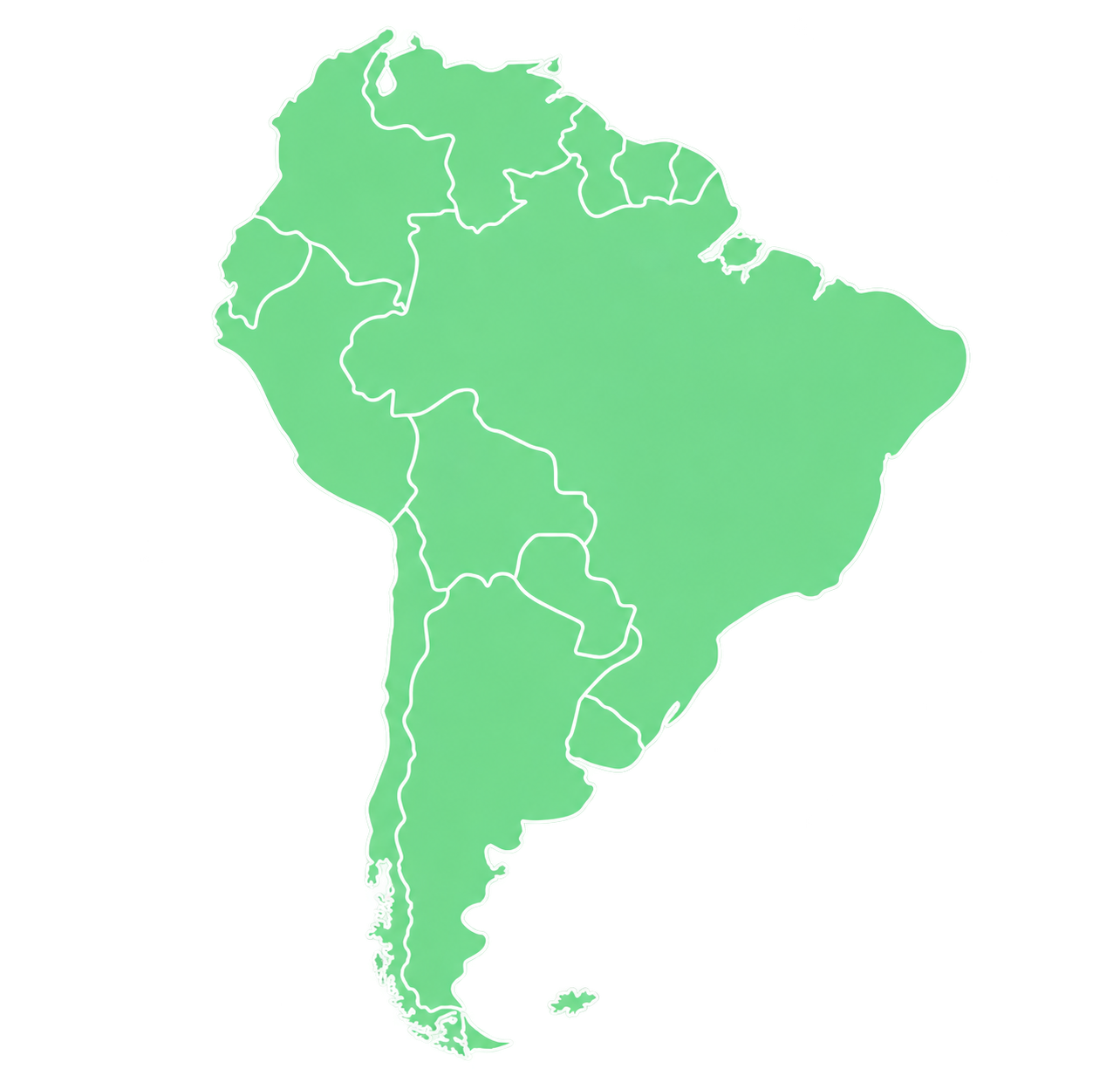
South America
 Brazil
 Colombia
 Suriname
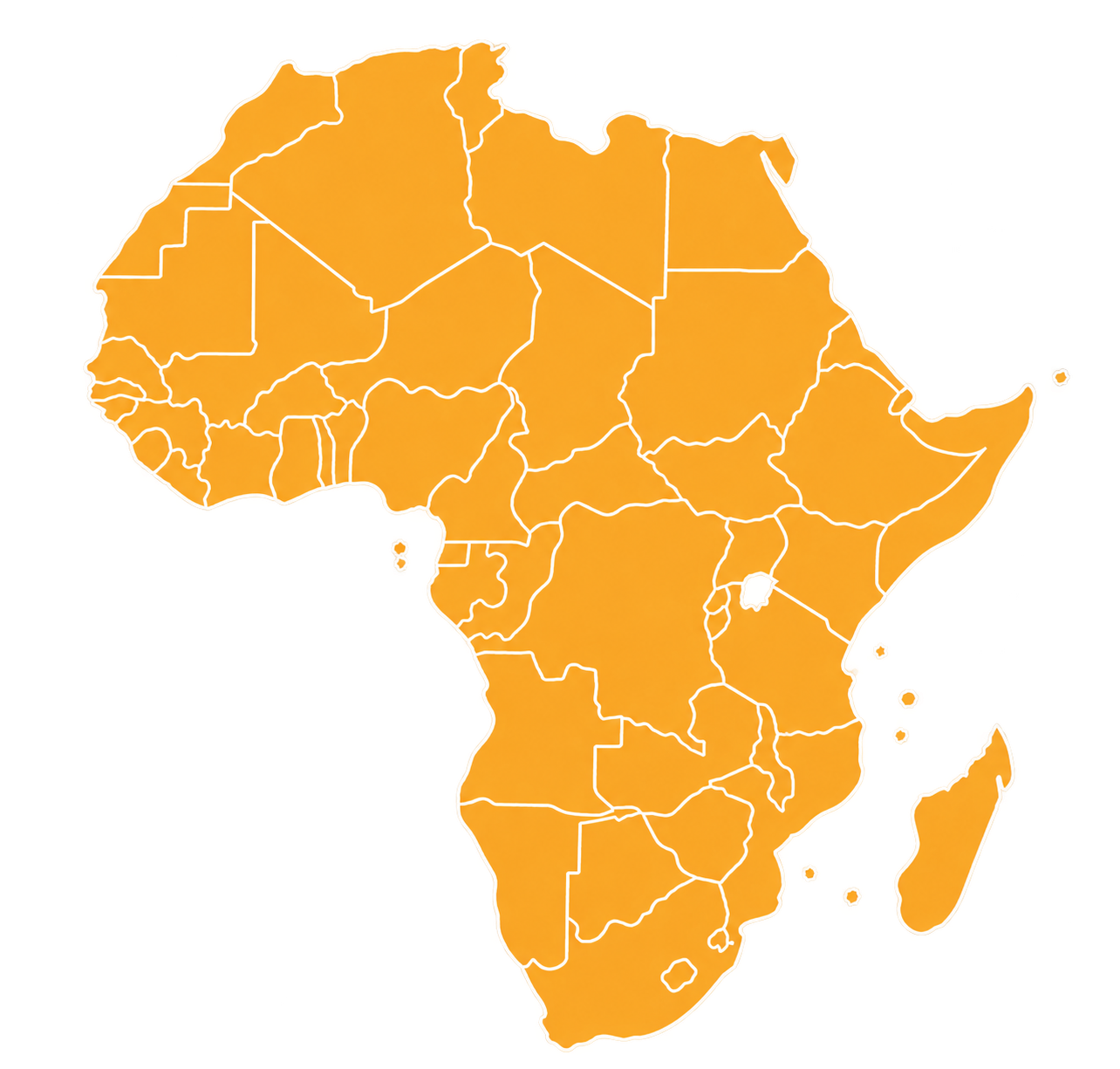
Africa
 Cameroon
 Tanzania
 Cabo Verde
 Congo
Congo

North America, Central America & Caribbean
 Canada
 Belize
 Mexico
 Haiti
Haiti Panama
 United States

Europe
 Spain
Spain Portugal
 Cyprus
 Czech Republic
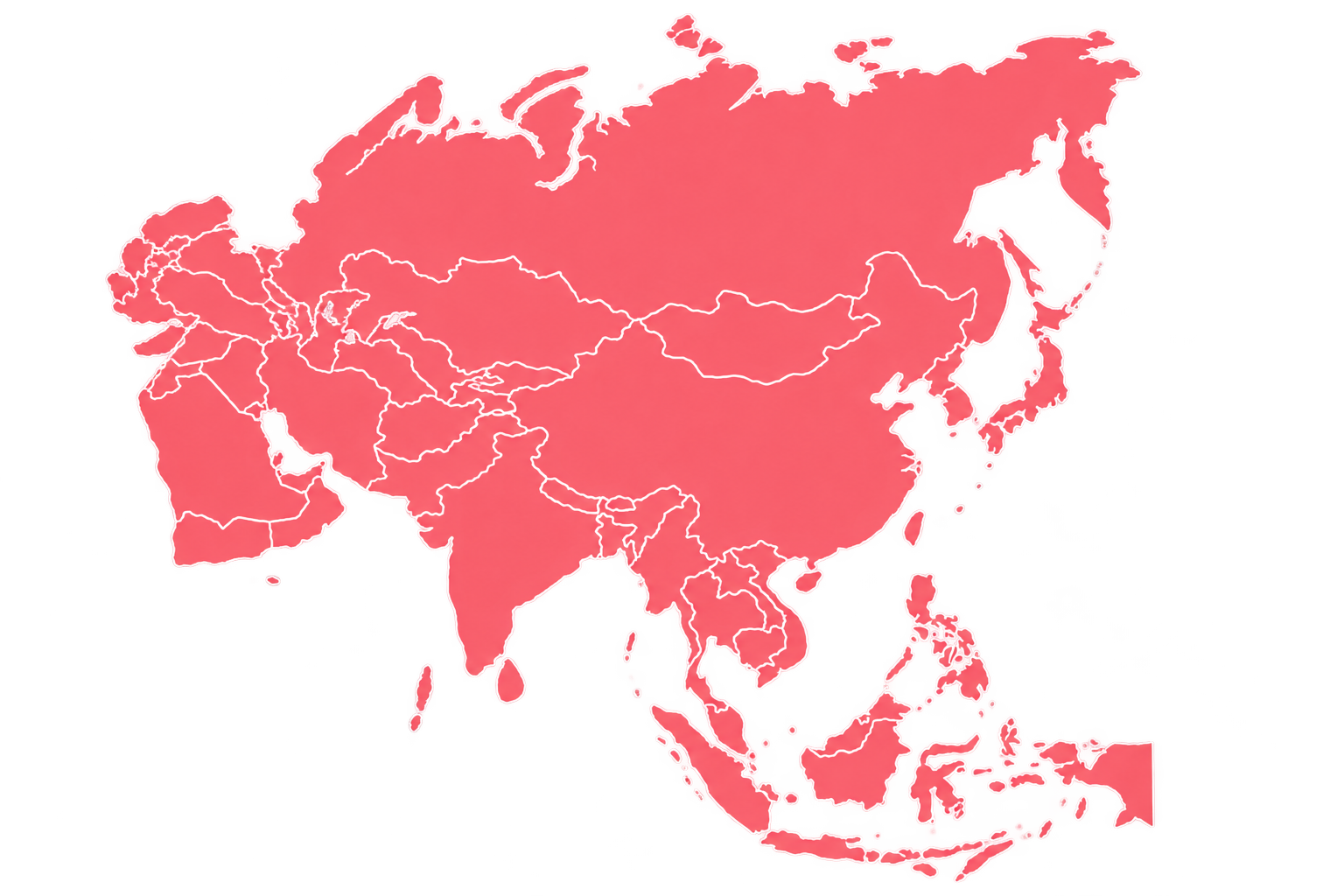
Asia
 Nepal
Nepal Indonesia
 Pakistan
 United Arab Emirates
 India
India

Oceania
 Marshall Islands
 Australia
International Editorial Board
Publication & Dissemination
The project aims to produce both digital and printed editions. The digital edition is intended to support global accessibility and dissemination, while the printed edition is planned as a resource for universities, educational institutions and research communities worldwide. The editorial team also intends to explore external funding and institutional partnerships to support wider dissemination.